

01
Twenty yearsin the grove.
Certified organic farms. Prachuap Khiri Khan, Thailand.


Cold-pressed in Prachuap Khiri Khan.
Pure • Organic • Coconut
Now available — ships across Thailand
Certified organic farms. Prachuap Khiri Khan, Thailand.
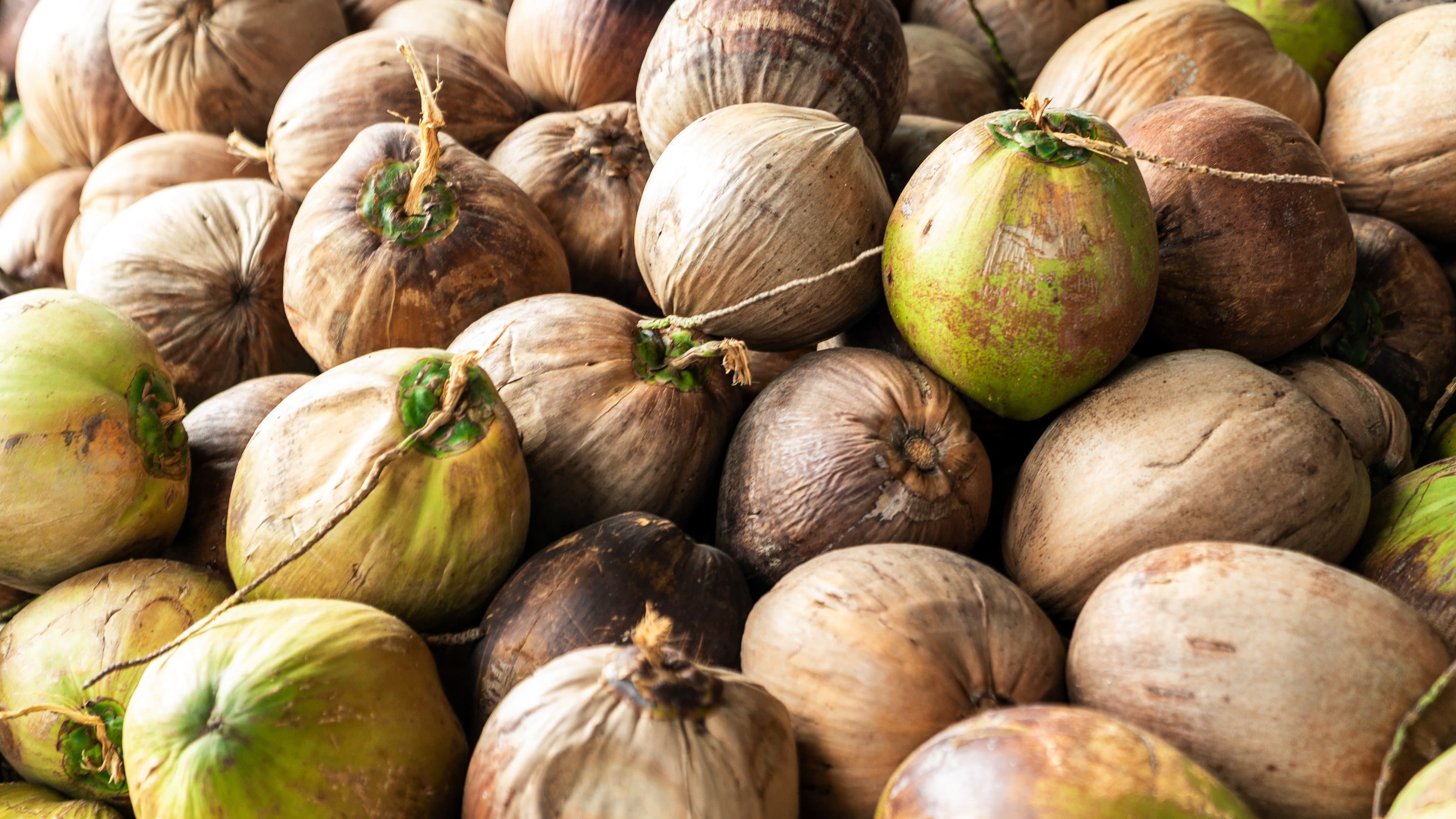
No heat. No chemicals. Centrifuged from fresh milk.
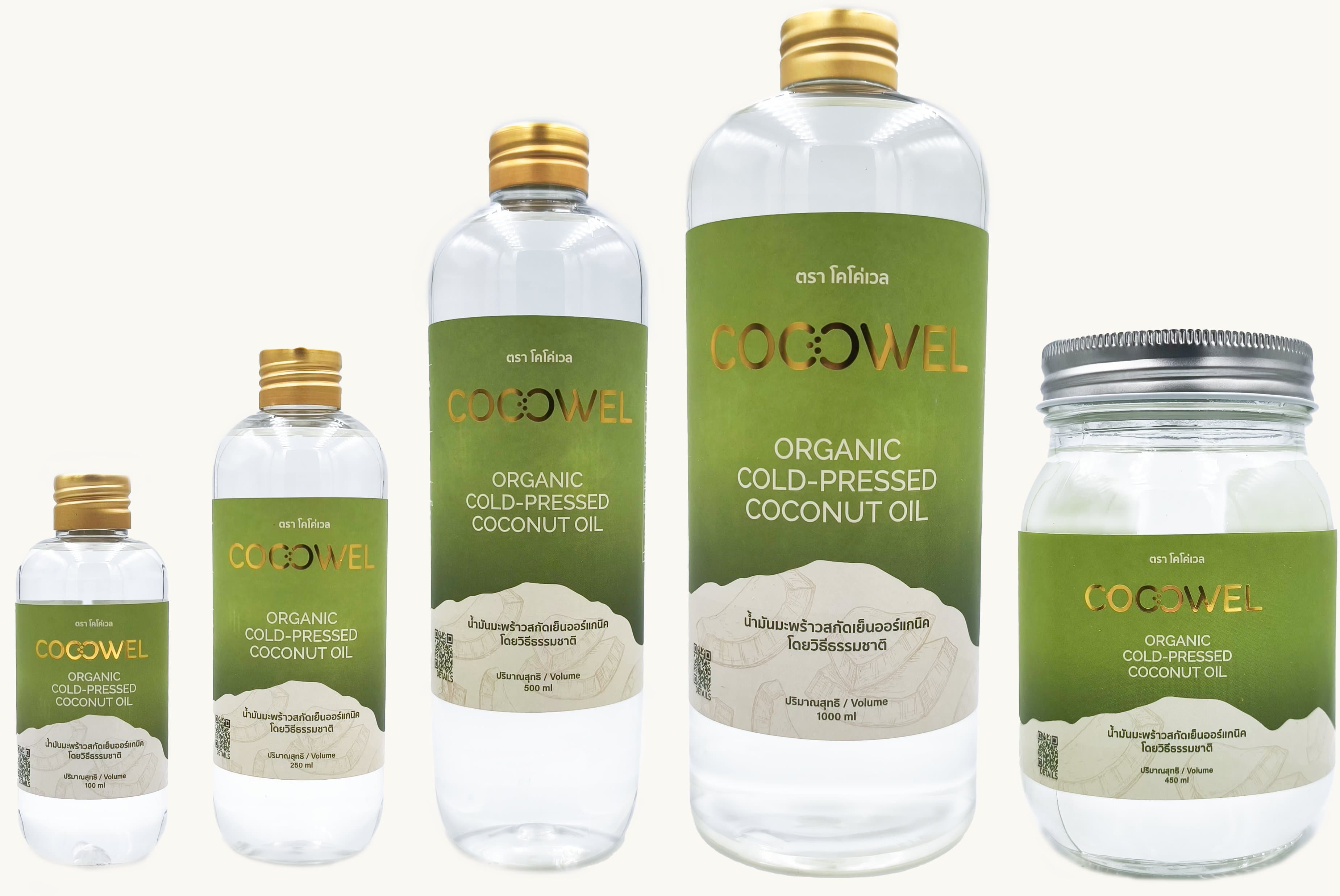
Vacuum-sealed. The only ingredient: Coconut
Harvest notes, new packs and the odd recipe. A few emails a year, nothing else.
Whey needs a cow. Pea protein needs a pea. Olive oil needs an olive. Fat, protein and carbohydrate all come off the same fruit — grown, grown on certified organic farms and pressed in Prachuap Khiri Khan.
Pressed cold from fresh coconut milk — never refined, bleached or deodorised.
Milled from the pressed flesh. A complete plant protein that needs no animal.
Sap for sweetness, flesh for fibre — the slow-release half of the fruit.
Ships across Thailand. Order direct from the grove — no distributor, no markup.
Every coconut we press is grown on certified organic land. No conventionally farmed fruit enters the line — not as a preference, as a rule.
The certification covers the farms and the processing alike — USDA, EU and JAS, audited annually rather than self-declared. From Prachuap Khiri Khan on Thailand's peninsula, fruit goes from cracking to press in under six hours.
Most coconut oil on a supermarket shelf has been refined, bleached and deodorised. Ours is pressed from fresh milk within six hours of cracking and never heated. Here is the difference, line by line.
| COCOWEL — cold-pressed | Refined (RBD) process | |
|---|---|---|
| Heat applied | None — pressed cold | High heat throughout |
| Chemical solvents | None | Commonly used to raise yield |
| Bleaching | None | Bleaching earth |
| Deodorising | None | Steam-stripped to neutral |
| Moisture | < 0.01 g / 100 g | Not typically published |
| Smoke point | 202 °C (measured) | Higher, once stripped |
| Aroma | True coconut | Removed by design |
| Shelf life | 5 years, vacuum-sealed | Varies by process |
Smoke point and moisture measured on our extra-virgin oil by Central Laboratory (Thailand), report TRBK67/20255. The right-hand column describes the standard industrial RBD route in general terms — it is not a measurement of any specific product.
Audited annually — the certification covers the farms and the processing, not just the finished pack.

Every figure below comes from a lab report on a specific lot, not from a category average. Follow any product for its full composition.
| Product | Headline figure | Energy / 100 g | Link |
|---|---|---|---|
| Coconut Oil | 48.7% lauric acid | — | Details → |
| Coconut Protein | 53.4% protein | 425 kcal | Details → |
| Coconut Sugar | 35 glycemic index | 384 kcal | Details → |
| Coconut Flour | 40.7% dietary fibre | 428 kcal | Details → |
Composition per 100 g, by lot. Energy is not published for the oil, so it is shown as an em dash rather than estimated.
Coconut oil vs olive oil compared on measured numbers: smoke point (202°C vs 191°C), MCT content (64.9 g vs 0), stability and flavour — and when each belongs in the pan.
Whey has more protein per gram — 80 g vs 53.4 g per 100 g. Coconut protein answers with fibre, minerals, all 8 essential amino acids and a one-line ingredient list. The honest comparison.
Coconut blossom sugar against white cane sugar: glycemic index 35 vs 65, 343 mg calcium vs 1 mg per 100 g, open-kettle simmering vs industrial refining — and the honest limits of both.
Ships across Thailand for a flat ฿55 — free over ฿1,234. Pay by Thai QR transfer, upload the slip on the confirmation screen, and we pack it the same working day.
Questions about a wholesale or export order? LINE is the fastest way to reach the desk.


